Understanding the Role of Pallet Manufacturers in Modern Industry
Intro
Pallets have ended up being an important part of modern logistics and supply chain management. They act as the foundation for stacking and transferring products efficiently. With the ever-growing need for efficient storage and transportation services, the role of pallet manufacturers is progressively critical. This post digs into the knowledge of pallet producers, the kinds of pallets they produce, their significance in numerous industries, and responds to some regularly asked questions.
The Importance of Pallets in Supply Chains
Pallets are not just platforms; they are crucial components that facilitate the motion of products. Here are a few reasons that pallets are so vital:
- Efficiency: Pallets streamline the loading and unloading process, making it faster and more effective.
- Security: Properly designed pallets lower the threat of mishaps throughout transportation and handling.
- Economical: Using pallets can result in decreased labor expenses and lower transport costs.
- Standardization: Most pallets follow particular sizes, making them suitable with different storage systems and shipping techniques.
Table 1: Key Benefits of Using Pallets
| Advantage | Description |
|---|---|
| Efficiency | Streamlined loading and discharging processes. |
| Safety | Reduces the danger of item damage and office mishaps. |
| Cost-effectiveness | Lower operational expenses through better logistics. |
| Standardization | Compatibility with numerous storage solutions and equipment. |
Types of Pallets Manufactured
Pallet manufacturers produce a range of pallets to fulfill the varied requirements of various markets. Here's a short introduction of the most common types:
1. Wooden Pallets
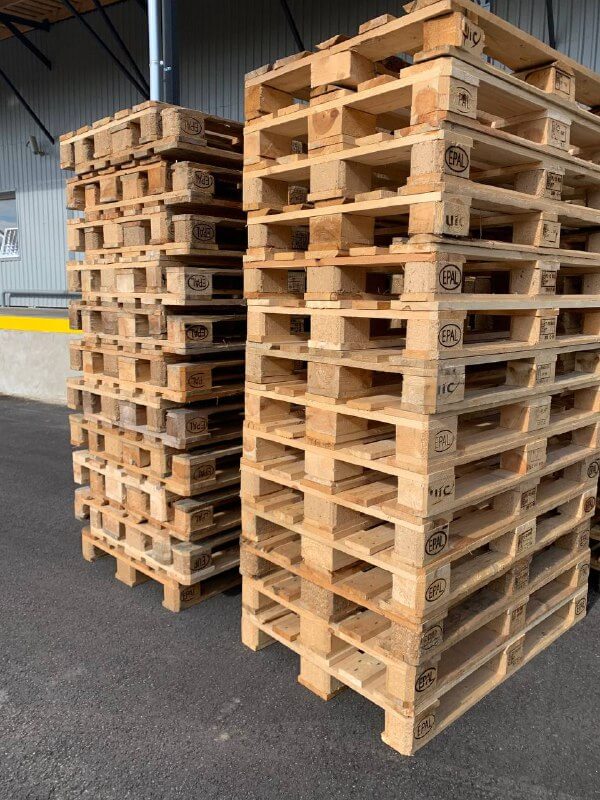
The most traditional form of pallets, wooden pallets, are versatile and commonly used. They come in various designs, including block and stringer styles.
2. Plastic Pallets
Plastic pallets are light-weight, resistant to wetness, and long lasting. They are typically used in markets like pharmaceuticals and food processing, where health is critical.
3. Metal Pallets
Metal pallets, made from steel or aluminum, supply exceptional strength and longevity. They are perfect for heavy-duty applications, such as vehicle or aerospace industries.
4. Composite Pallets
Made from a mix of products, composite pallets use the advantages of both plastic and wood. They are usually used for specific applications where a hybrid option is required.
Table 2: Types of Pallets and Their Applications
| Pallet Type | Secret Features | Common Applications |
|---|---|---|
| Wooden Pallets | Long lasting, economical, naturally degradable | Warehousing, shipping |
| Plastic Pallets | Light-weight, moisture-resistant | Food, pharmaceuticals |
| Metal Pallets | High strength, long-lasting | Automotive, industrial manufacturing |
| Composite Pallets | Hybrid material, versatile | Specialized applications |
Choosing the Right Pallet Manufacturer
Picking a proper pallet manufacturer is vital for ensuring the quality and reliability of pallets. When considering a pallet manufacturer, here are some bottom lines to bear in mind:
- Quality Assurance: Look for manufacturers that adhere to rigorous quality requirements and have certifications in location.
- Customization Options: Consider makers that provide customizable pallets to fit particular business needs.
- Sustainability Practices: More businesses are choosing eco-friendly materials, so check if the manufacturer uses sustainable practices.
- Experience and Reputation: A business with a strong reputation and years in the market is likely to offer better service and products.
Table 3: Factors to Consider When Choosing a Pallet Manufacturer
| Factor | Description |
|---|---|
| Quality Assurance | Look for accreditations and requirements followed. |
| Modification Options | Guarantee schedule of customized pallets for special requirements. |
| Sustainability Practices | Examine the manufacturer's environmental responsibilities. |
| Experience and Reputation | Try to find tested performance history in the market. |
Regularly Asked Questions (FAQs)
Q1: What products are best for pallets?
A1: The best material for pallets depends on the particular application. Wooden pallets are flexible, plastic pallets are hygienic, metal pallets are strong, and composite pallets offer a mix.
Q2: How do I know if I need custom pallets?
A2: If your items have unique dimensions, weight requirements, or handling processes, custom pallets can improve efficiency and security.
Q3: What industries benefit most from utilizing pallets?
A3: Industries such as food and beverage, pharmaceuticals, automobile, and retail heavily depend on pallets for logistics and supply chain management.
Q4: How are pallets recycled?
A4: Wooden pallets can frequently be repaired or repurposed, while plastic pallets can be ground down and remolded into new pallets, making recycling highly efficient.
Q5: What are the typical expenses of different types of pallets?
A5: Costs can vary based on size, material, and quantity. Usually, wooden pallets are the most cost-effective, followed carefully by plastic, while metal pallets tend to be more expensive.
Pallet manufacturers play an important role in creating the backbone of contemporary supply chains. By comprehending the different kinds of pallets and the aspects to think about when selecting a manufacturer, companies can improve their logistics and enhance total efficiency. As agronytradingllc.com for effective and safe transportation services continues to grow, the value of quality pallets and their manufacturers will stay paramount.
Investing time in selecting the right pallet manufacturer can result in considerable functional enhancements and, eventually, add to a company's bottom line.